 Skip to content


Imagine you’re building a new PC. You search for a processor on Google and, directly from the search results, add it to your cart with a single click. Then you head over to YouTube to watch a motherboard review—and add it to the same cart right below the video.
Finally, you ask Gemini AI for advice on a graphics card and add its recommendation from the conversation as well. The components may come from different online stores, but you have them all collected in one central “Google Cart.” Then the cart suddenly alerts you: “Warning: this motherboard is not compatible with your processor. Here’s a better alternative.”
This is no longer science fiction. Google is turning this exact vision of the future of shopping—what it calls agentic commerce—into reality. The era of jumping between dozens of browser tabs and hunting for discount codes may soon be coming to an end. AI is taking over the tedious work.
Universal Cart: Your Central Shopping Hub
The main highlight of Google’s announcements is Universal Cart. Forget about every online store having its own isolated shopping cart. This intelligent cart follows you across the entire Google ecosystem.
Whether you’re browsing Google Search results, watching videos on YouTube, chatting with Gemini, or reading emails in Gmail, you’ll be able to add products to the same cart with a single click.
Once you add an item, AI powered by Gemini models starts working behind the scenes:
Tracks prices: Continuously searches for discounts and analyzes price history.
Monitors inventory: Notifies you as soon as an out-of-stock item becomes available again.
Remembers your perks: Because the system is connected to Google Wallet, it can see your loyalty rewards and credit card benefits. You don’t have to remember anything yourself.
Source: Google The Keyword
Major Brands and YouTube Ads Join In
The entire ecosystem is built on an open standard called UCP (Universal Commerce Protocol). Major brands such as Nike, Sephora, Walmart, and Target have already joined, along with merchants operating on the Shopify platform.
As Google later demonstrated during its Google Marketing Live event, the shopping experience powered by UCP will also extend directly into YouTube ads. If a product catches your eye in a video, you’ll be able to purchase it in just a few clicks. Payments can be completed quickly through Google Pay, while installment payment providers such as Klarna and Affirm are being integrated directly into the experience for shoppers who prefer buy-now-pay-later options.
Source: Google The Keyword
Shopping on Autopilot and Protocol Expansion
Google is taking things even further by introducing purchases that an AI assistant can complete on your behalf using the AP2 (Agent Payments Protocol) security framework. For example, you could tell the assistant: “Buy this jacket for me if the price drops below €100.” That’s it. The AI monitors the web and completes the purchase automatically – but only if all the conditions you’ve specified are met exactly and the spending limit is not exceeded.
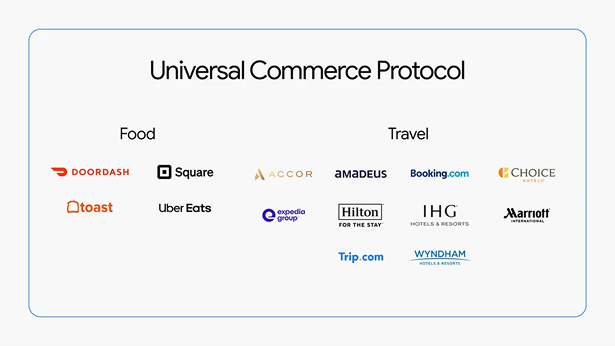
At the same time, UCP is expanding far beyond retail products. Through partnerships with new providers, users will soon be able to book hotels directly from AI Mode in Google Search or order food delivery through a simple conversation in Google Maps. Google is also supporting merchants. In Merchant Center, the company introduced dedicated AI tools that help businesses understand how their brand is performing in the age of artificial intelligence through a feature called AI Performance Insights.
Conclusion
The future of shopping is arriving this summer, first in the United States, with a gradual rollout to additional countries over time.
Thanks to AI and “agentic commerce,” the era of manually browsing online stores is coming to an end – the entire routine, from price comparison to the actual payment, is taken over by your personal AI assistant. This era of fully automated and convenient shopping kicks off this summer in the US and will gradually reshape consumer habits worldwide.