 Skip to content


In the world of online sales, it is crucial to be able to respond quickly. Whether it’s new products, price changes, inventory updates, or brand presentation improvements, every second and every click counts. And Google knows this very well… That’s why it’s introducing a significant change that will affect everyone who uses its Merchant Center platform.
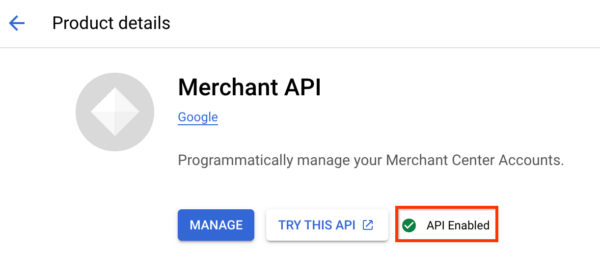
A new interface called Merchant API has been officially available since August this year (2025). It is becoming the primary tool for managing products and business data. At the same time, the countdown has begun for the complete phase-out of the previously used Content API for Shopping, which will only function until August 18, 2026.
Although at first glance it may seem like just a change in technical interface, it is actually a fundamental shift in how companies communicate with Google and how they present their products to customers.
What is Merchant API?
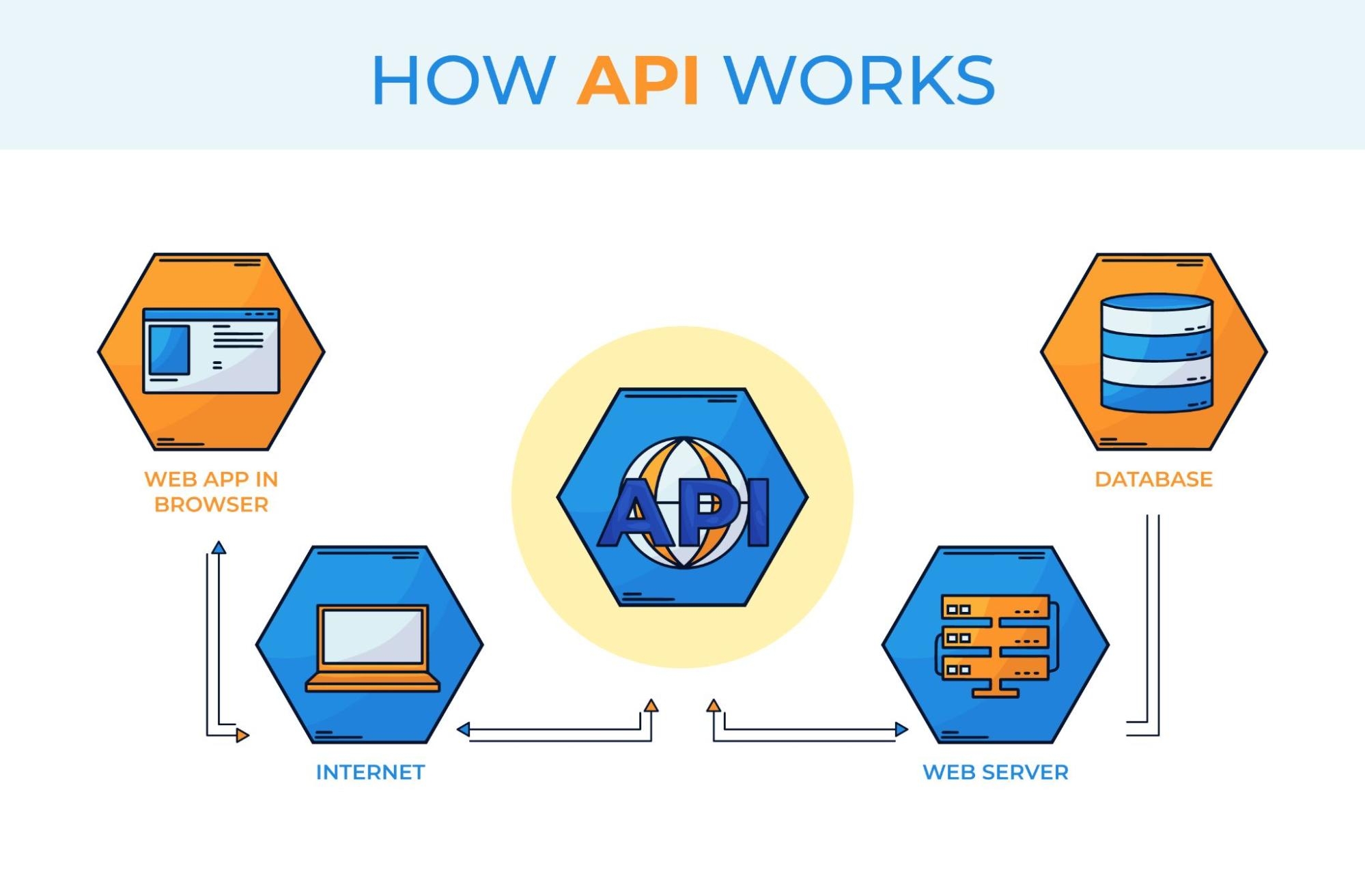
Merchant API is a new, simplified programming interface designed by Google to be faster, clearer, and more tailored to modern market requirements. It replaces Content API as the primary way for businesses to upload their products to Merchant Center, update data, and manage the presentation of their product range across Google services.
The fundamental difference from its predecessor is not only its simple technical structure, but also a much greater emphasis on efficiency and new possibilities. For example, Merchant API allows for much faster product implementation into the system, easier price and availability updates, as well as access to data and overviews that help optimize sales.
More than just a new interface
One of the most interesting features offered by Merchant API is the ability to track orders. This allows Google to predict delivery times more accurately and display them to customers before they make a purchase. In practice, this means that products can be visually marked as “fast and free delivery,” which increases customer confidence and significantly boosts click-through rates in searches.
Another new feature is integrated troubleshooting. The API can display errors in products or accounts in the same format as we know from the Merchant Center interface. However, this information can now be processed automatically and corrected more quickly, saving time and money.
An interesting feature of the new platform is its connection to Google Product Studio, a tool for creating product images using artificial intelligence. This allows retailers to generate images in bulk, improve their quality, and automatically edit backgrounds directly through the API.
Who stands to gain the most from this change?
The introduction of Merchant API is not just a technological innovation. It is a step towards enabling merchants to be faster, more accurate, and more competitive. Companies with extensive product catalogs that use their own feeds or have more complex account settings will benefit the most. Platforms that rely on fast delivery or up-to-date inventory as a competitive advantage will also be able to take full advantage of the new API capabilities.
However, the benefits are not reserved for big players alone. Smaller companies that want to automate processes, gain greater control over their data, or streamline product management will also find Merchant API to be a tool that helps them grow.
What awaits you and what should you do?
If you have been using Content API for Shopping, you have less than a year to transition. Although this may seem like enough time, it is recommended that you start planning as soon as possible. Migrating to the new API requires technical adjustments, coordination with your development team or platform provider, and, most importantly, testing all features to avoid any disruption in product visibility.
It is also important to integrate new features such as order tracking or error diagnostics into normal work processes. This may require changes to the workflow, but ultimately it will lead to faster responses to problems and a better customer experience.
Conclusion
With this step, Google is fundamentally changing the way the digital marketplace works. Merchant API is more than just a technical update; it is a new foundation for efficient, fast, and automated product management. Merchants who prepare for this change in time will not only gain a technological advantage, but also a competitive edge.
Although the transition is inevitable, it also offers an opportunity to streamline processes and improve the performance of Google stores. The future of e-commerce is shifting. The question is whether you will be ready for it in time.