 Skip to content


Digital marketing is evolving faster than ever before. Innovative technologies such as artificial intelligence, machine learning, and augmented reality are introducing new possibilities that help advertisers target ads more effectively, enhance campaign performance, and better engage customers by increasing campaign relevance. With stricter privacy regulations and the growing influence of social media, brands must adapt their strategies and utilize advanced tools to stay ahead.
In collaboration with Ecommerce Bridge, we have prepared an overview of key trends that will shape performance marketing in 2025. Advertisers must adapt to these changes early to maintain a competitive edge. What changes are coming, and how can we prepare for them effectively?
1. Artificial Intelligence and Ad Personalization
Artificial intelligence is becoming an essential part of digital advertising. Leading platforms such as Google and Meta already leverage advanced algorithms for automated ad targeting and optimization. Machine learning enables the analysis of customer behavior, the prediction of their interests, and the delivery of relevant content at the most opportune moment. This makes advertising campaigns more precise, more effective, and less intrusive for users.
Personalization is now the standard. Customers expect ads to be tailored to their needs and preferences. Dynamic audience segmentation, automated product recommendations, and personalized email campaigns are just some of the tools that help increase conversions and build long-term customer relationships.
2. Voice Search and Its Impact on SEO
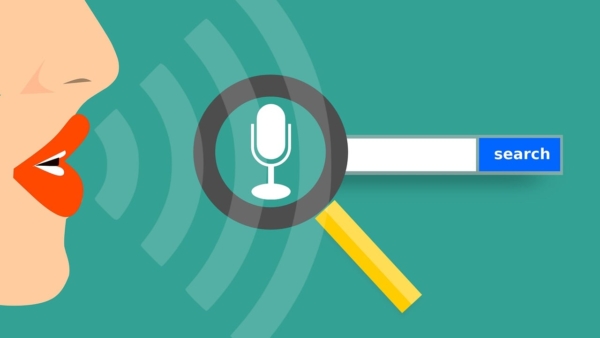
With the growing popularity of voice assistants such as Siri, Google Assistant, and Alexa, the way people search for information is evolving. Voice search is more conversational and tends to use longer phrases or full questions. As a result, businesses must adapt their content to align with this trend—optimizing websites for natural language queries, incorporating questions into headlines, and providing structured answers in FAQ sections. Mobile optimization is crucial, as the majority of voice searches are performed on smartphones. Ensuring fast load times, mobile-friendly design, and clear, concise answers can significantly improve visibility in voice search results.
3. Data Collection and the Shift to First-Party Data
Privacy regulations are becoming increasingly stringent, and the phase-out of third-party cookies is pushing marketers to explore new data collection methods. In 2025, there will be a significant shift towards zero-party data (data voluntarily provided by consumers) and first-party data (data collected based on customer interactions with a website). This means businesses will need to rely more on direct customer insights—gathered through interactive forms, surveys, loyalty programs, and behavioral tracking on their websites. Working with high-quality, consent-based data enhances targeting accuracy and campaign efficiency.
Customers value transparency—when they understand how their data is used and what benefits they receive in return, they are more likely to share it. Building a trustworthy environment and clearly communicating the advantages of personalized advertising will be essential.
4. Social Commerce and Authentic Content
Social media platforms are increasingly evolving into full-fledged sales channels. Facebook, Instagram, TikTok, and Pinterest are no longer just advertising spaces—they now facilitate direct product sales. Consumers are becoming accustomed to shopping directly within apps and expect a seamless, intuitive buying experience.
Beyond paid advertising, authentic content plays a crucial role in influencing purchase decisions. Customers trust reviews, ratings, and recommendations from real users more than traditional advertisements. As a result, brands are relying more on user-generated content (UGC) and forming partnerships with influencers. Interactive formats such as livestream shopping, quizzes, and gamified contests drive audience engagement and foster brand communities. Creating content that encourages participation and conversation will be key to standing out in 2025.
5. Immersive Content – Video and Augmented Reality
Video remains one of the most powerful marketing tools. Short-form, dynamic content dominates platforms such as YouTube Shorts, TikTok, and Instagram Reels, delivering high engagement rates. Brands that capture attention within the first few seconds and tailor their content to their target audience gain a strong competitive edge.

Augmented reality (AR) is revolutionizing how brands engage with customers. Virtual try-ons, 3D visualizations, and interactive ad elements allow shoppers to explore products in detail before making a purchase. Successful AR applications can already be seen across various industries—from furniture giants like IKEA to fashion and beauty brands that enhance customer experiences with immersive technologies.
6. Programmatic Advertising and RTB
Many businesses are still unfamiliar with programmatic advertising, even though it is one of the most effective digital marketing methods. Automated ad buying and selling through AI and real-time bidding (RTB) enables more precise targeting and minimizes budget waste. This technology analyzes user behavior and determines ad placements based on real-time data insights.
RTB ads appear in various formats, including banners, videos, and audio ads. Unlike Google Ads or Meta Ads, RTB campaigns excel at brand awareness while also being highly effective for retargeting and reaching new customers. Additionally, modern RTB platforms prioritize first-party data over third-party cookies, ensuring better privacy compliance and enhanced targeting accuracy.
7. Omnichannel Marketing – Bridging Online and Offline
Although online advertising dominates, offline channels remain a crucial part of the customer journey. Many shoppers research products online, compare prices on mobile, and finalize purchases in physical stores. By integrating digital and offline strategies, businesses can drive higher engagement and conversion rates.
A cohesive cross-channel strategy ensures customers enjoy a seamless brand experience—whether they encounter an ad online, on TV, on a billboard, or in an email newsletter. A strong omnichannel presence fosters customer loyalty and long-term engagement.
8. Ad Testing and Optimization – The Path to Higher ROI
A successful advertising strategy cannot do without proper analytics and testing. There are several types of testing, each with its own importance. Standard A/B testing compares two versions of an ad or email with one small change to determine which version performs better. Multivariate testing goes even further, simultaneously testing multiple variations, such as different headlines or descriptions. Sequential testing evaluates ad performance over different time periods, for example, comparing results before and after implementing changes. These methods enable marketers and business owners to make data-driven decisions and increase campaign efficiency.
Conclusion
Conclusion
Performance marketing is constantly evolving, and 2025 will bring new challenges as well as opportunities for e-commerce business owners. Brands that can adapt and invest in modern strategies will have an advantage over their competitors. The key to success will undoubtedly be the use of artificial intelligence for precise targeting, the transition to first-party data, optimization for voice search, and the creation of authentic content on social media. The combination of personalization, interactive formats, and innovative technologies will allow brands not only to increase sales but also to strengthen customer trust. If you want to stay ahead, now is the time to adapt your strategies to these trends.
To reduce costs and enhance the visibility of your campaigns, you can also take advantage of available collaboration opportunities. One such opportunity is working with Google’s CSS partners, including our team of PPC specialists at Shopping In EU. We consistently deliver real and measurable results for our clients and help them move their business forward, as evidenced by our regular bi-annual reports. Do not hesitate to take advantage of this unique opportunity and try our services free for 30 days.