 Skip to content


In the e-commerce environment, success is determined by a multitude of factors that are constantly evolving. It’s no longer just about product quality or having a functional and attractive online store. A key element is how effectively advertisers can reach and persuade potential customers that their product or service is the best solution for their needs. Competition is fierce and aggressive, advertising spaces are more expensive than ever, and customers are increasingly demanding. That’s why, in this dynamic environment, budget plays a crucial role in success—not necessarily in terms of its size, but in how it’s managed.
A higher budget doesn’t always guarantee greater market success. What matters more is how efficiently those funds are allocated, managed, and optimized. Every euro spent should have a clear objective and deliver measurable results—whether it’s driving more traffic, increasing conversions, or encouraging repeat purchases. With a strategic and data-informed approach to budgeting, even limited resources can lead to significant growth.
Why is Efficient Budget Management Key?
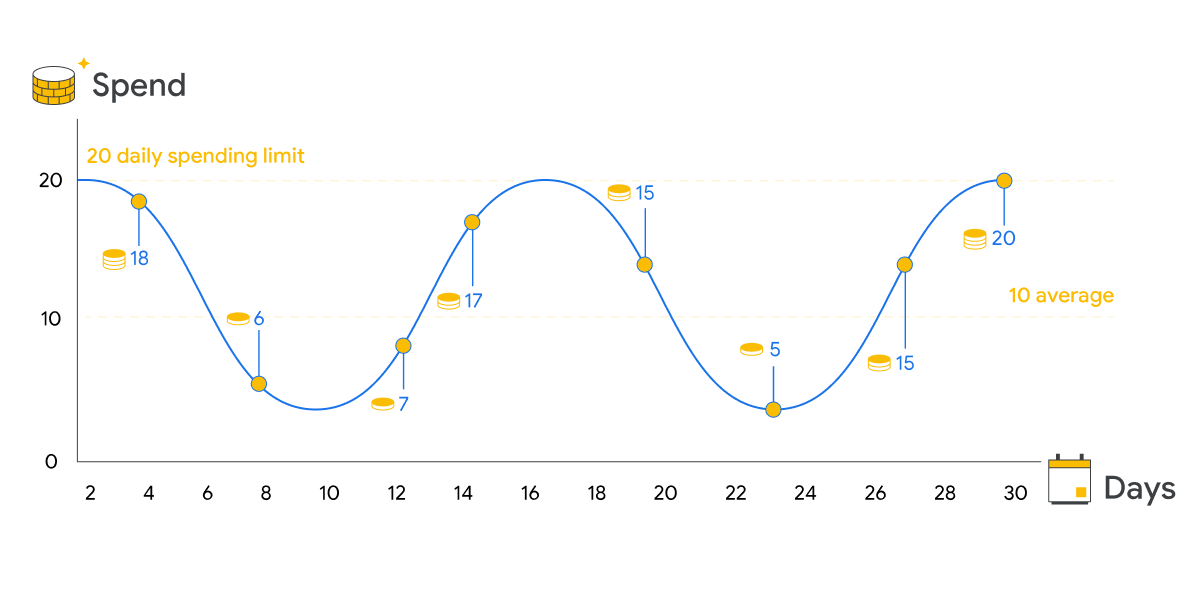
In the world of e-commerce, the line between profit and loss is often very thin. Therefore, the advertising budget is not just a technical tool—it’s a strategic pillar that influences growth, competitiveness, and long-term business sustainability. Proper budget allocation allows advertisers to target campaigns more effectively, evaluate performance based on accurate metrics, and quickly respond to shifts in customer behavior or market changes. Unplanned or random spending without deeper analysis often leads to low return on investment or a complete loss of control over expenses.
Source: Google Ads Help
Practical data shows that online stores which continued to invest wisely in advertising even during challenging times (e.g. through remarketing, optimized campaigns, or automated bidding) gained a significant advantage over competitors who paused their marketing activities. Regular and consistent advertising supports not only sales but also customer trust and long-term brand visibility. Efficient budget management is ultimately about investing where it has the greatest impact. For smaller e-shops, this means focusing on high-performing channels with a good cost-to-benefit ratio, while for larger companies, it’s about optimizing and scaling what works best.
How to Get the Most Out of a Limited Budget
At certain points, it can be difficult for e-shop owners to decide where exactly to invest and where to reduce their budget. That’s why we’ve compiled a list of proven strategies to help minimize unnecessary expenses and offer tips for effectively managing advertising budgets.
1. Set Clear Campaign Objectives
While this may seem like a cliché, it’s fundamental to effective marketing. Advertisers need to clearly define what they want to achieve with their campaigns. Is it to increase sales of a specific product category? Acquire new customers? Reduce cart abandonment? Each goal requires a different approach and budget distribution.
2. Data Analysis and Performance-Based Investment
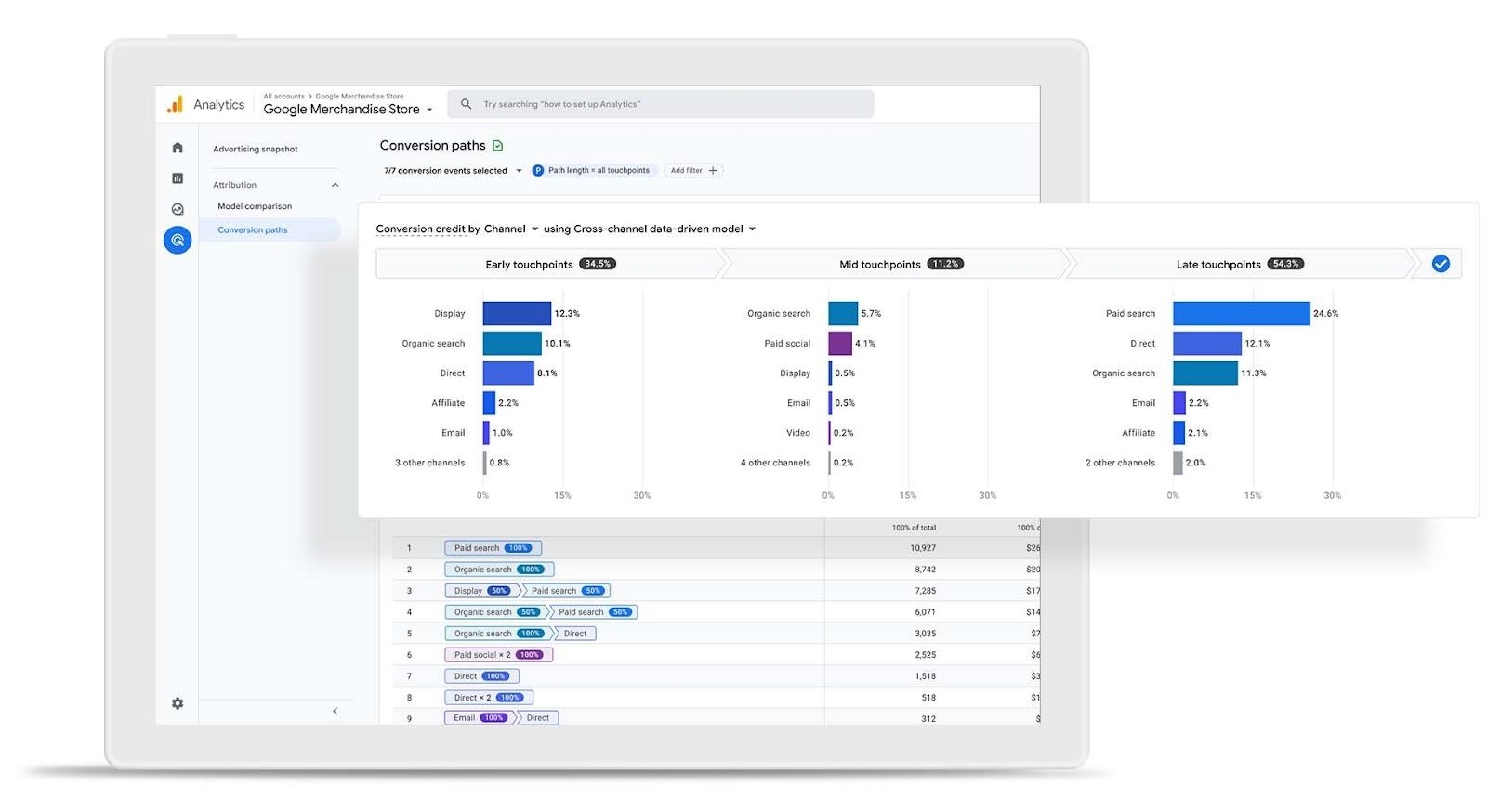
Regular campaign performance analysis is a must. If an advertiser sees that a particular channel (e.g. Google Shopping) is delivering excellent conversion costs, it’s worth boosting. If another channel is underperforming, reducing or cutting that investment is the right move. In e-commerce, data holds great value and should guide decisions.
Source: Google Marketing Platform
3. Focus on Fewer Advertising Channels
For e-shops, it often pays off to concentrate on one or two channels that deliver real and valuable results. Many focus primarily on Google Ads as the industry leader, but Microsoft Ads is also a key player with a slightly different audience. Focusing on fewer platforms helps avoid budget fragmentation and ensures better coverage and performance.
4. Email Marketing as a Reliable Conversion Source
Email remains one of the most effective sales tools in e-commerce. It offers high returns, low costs, and great personalization. Advertisers can use it to build contact databases during customer purchases, offer incentives for registrations, and send personalized offers—especially for abandoned carts, new arrivals, or special promotions.
5. Automating Bid Optimization
Tools like BlueWinston allow e-shops to automate bidding strategies based on actual product performance. Bids are adjusted in real time to prioritize products with high sales potential. This means fewer losses and more revenue from the same budget.
Conclusion
Proper budget allocation is one of the fundamental pillars of success in the e-commerce world. Advertisers should remember that with smart resource distribution, even a small e-shop can compete with the biggest players. The foundation lies in clearly defined goals, leveraging effective platforms, and making data-driven decisions.
To get the most out of your budget, we recommend utilizing all available market tools, including innovative solutions that can offer significant value. Our BlueWinston platform is among the top on the market thanks to its unique features. One standout tool is Labelizer, which tags products based on performance and helps boost ROAS by up to 30%.
Last but not least, partnering with the right networks can further improve budget efficiency. Thanks to Google’s CSS partners, advertisers can enjoy CPC discounts of up to 20%, enhancing their competitive edge. Our team at Shopping in EU is a premium partner, offering clients not only valuable benefits but also real, measurable results. For more information, feel free to book a free consultation with our certified PPC specialists—or try our services free for 30 days. With our help, your campaigns can perform more efficiently starting today.