 Skip to content



Properly setting up ads on Google or Microsoft Ads is a very complex process. Creating ads is no longer just about choosing the right keywords or using attractive visuals. Internal factors such as proper segmentation of the target audience, conversion tracking setup, campaign structure, and the quality of landing pages play a crucial role. All these components are an integral part of a success campaign and directly influence its efficiency and return on investment. However, there is one key factor that significantly influences the success of advertising – bidding. It refers to the way advertisers set their bids for consumer clicks.
When setting the bids, it is important to avoid common mistakes that can result in inefficient budget spending or weak ad performance, even if the campaign itself is high-quality and creatively executed.
What the bidding strategies are
PPC advertising represents one of the fundamental pillars for e-shop owners in today’s highly competitive e-commerce environment. It helps drive website traffic, increase brand awareness, and most importantly, generate the desired sales. In the context of online advertising, a bidding strategy refers to the amount an advertiser is willing to pay for click on a specific keyword or for an ad impression. The placement itself takes the form of an auction in which the advertisers compete for the most advantageous positions. The amount of the offer significantly influences where the ad appears in the search results. The aim of bid setting is to optimize ad performance in a way that maximizes the value gained from the budget – whether in the form of conversion, traffic, or return on investment. Within bidding strategies, we distinguish between two main approaches:
Manual setting: the advertiser sets up how much they want to pay for the clicks at the level of individual keywords or ad groups. This approach provides complete control over the settings, but is more time-consuming and requires abilities and active monitoring to ensure optimal campaign performance.
Automatic setting: the system uses advanced algorithms to automatically set bids based on multiple factors, like user behaviour, target CPA, or ROAS. This bidding approach optimizes bids based on data and machine learning, significantly saving advertisers time.
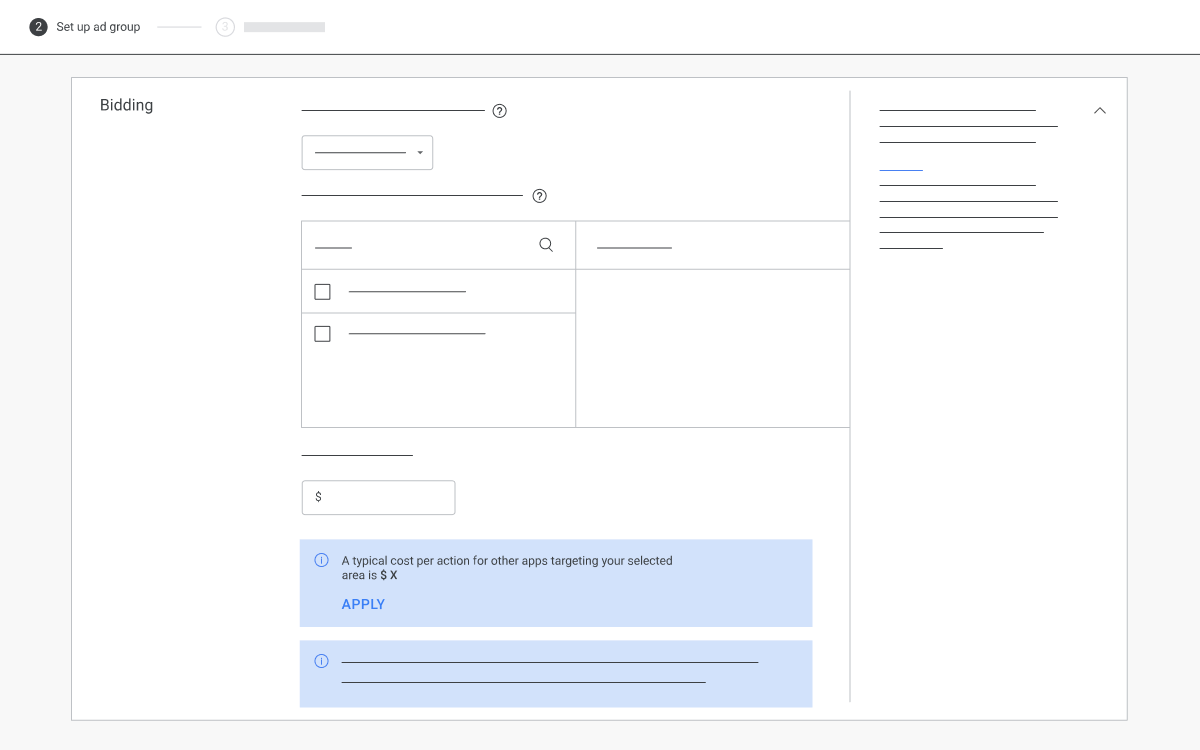
Source: Google Ads Helps
The most common errors when manually setting bidding strategies
In practice, we often encounter errors in bid setting, mainly in the case of manual bidding. Incorrectly chosen procedures can significantly weaken campaign performance and lead to inefficient budget use. What exactly should advertisers pay attention to in order to avoid unnecessary losses and get the most out of their campaigns?
1. The forgotten context of keywords
Many e-shop owners set the same bid for all keywords in the campaign, regardless of their nature or competitiveness. However, it is important to remember that not every click has the same value. Long-tail phrases like “buy HP i5 laptop” are more likely to convert than general terms like “laptop”. This should be reflected in the bid setting.
2. Neglecting regular bid optimization
Manual bidding is not a one-time task. The result of the campaign evolves continuously, and factors like competition, seasonality, and user behaviour also change over time. If the bids are not regularly optimized based on current metrics (CTR, CPC, CPA, etc.), advertisers risk performance stagnation or excessive spending. It is recommended to establish a regular review schedule – for example, small weekly optimizations, more in-depth monthly analyses, or quarterly reviews that also take long-term trends into account.
3. Setting the same bids for mobile and desktop
Users behave differently across devices. Mobile devices may have a lower conversion rate, but can generate higher traffic. If advertisers set the same bids for the mobile and the desktop, they risk ineffective budget spending. Adjusting the bids based on the type of device enables more precise targeting and better control over campaign performance.
4. Ignoring the competitive landscape
Every ad auction takes place in real time, and this is especially true in highly competitive segments. Bids that are too low may result in ads being shown in lower positions, or not at all. On the other hand, setting bids too high without evaluating actual results can cause e-shop owners to quickly drain their budget without gaining proportional value. The key is to monitor how the ad performs compared to the competition and adjust bids based on campaign performance and goals.
5. Excessive need for control
While manual bidding provides a higher degree of control, with the wrong grip, this factor can quickly turn into a risk. Mainly when the advertiser lacks a clear monitoring system or reacts impulsively by making drastic changes in a short time frame. Sudden increases or decreases in bids by dozens of percents can do more harm than good. It is more effective to adjust the bid gradually, based on how long the campaign has been running and how its results differ from set goals.
How to avoid common mistakes in manual bid setting
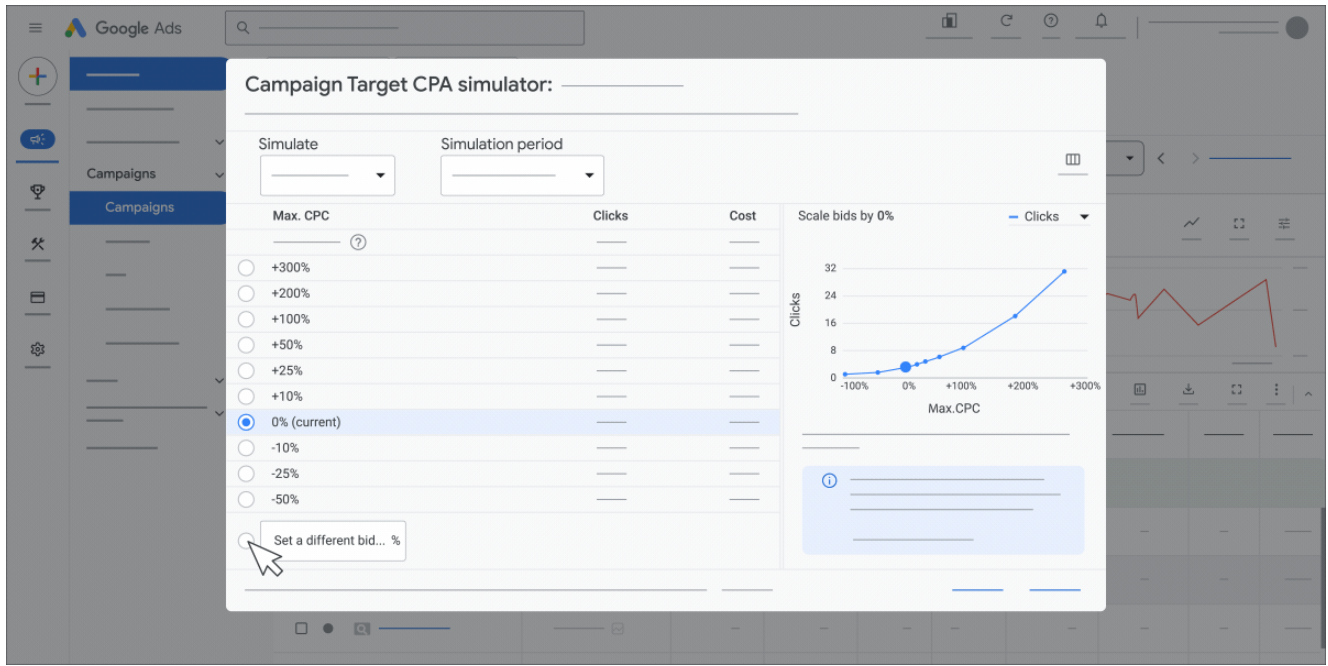
Source: Google Ads Helps
Segmentation of keywords by intent: advertisers should set higher bids for keywords with strong purchase intent.
- Regular performance analysis: evaluating CTR, conversion rate, and cost per conversion at regular intervals.
- Bid adjustment based on device type: monitor performance differences of mobile and desktop, and adjust the bids accordingly.
- Testing and comparison: testing of different bidding strategies on similar campaigns.
- Considering competition: usage of advanced tools to see where the e-shop stands compared to competitors.
- Accounting for seasonality: adjusting the bids to current demand before holidays, sales, or special events (e.g. Black Friday).
- Setting the limits: to prevent unexpected budget depletion or extremely low performance metrics.
Conclusion
Proper setting of bidding strategy is one of the key pillars of effective PPC campaign performance and efficient budget usage. If the bids are set too low, ads will be placed in poor positions and, as a result, can be overlooked by consumers.
E-shop owners should approach bidding strategies with a strategic mindset. Regular performance analysis, bid adjustment based on current data, and a reasonable level of control without impulsive interventions are essential. By consistently monitoring results, testing various approaches, and taking competition into account, advertisers can make the most of their budget and ensure long-term campaign performance and e-shop growth.
However, if the manual bidding is too overwhelming or time-consuming, you don’t have to handle it alone. There are various automated solutions that can significantly simplify campaign management while also delivering better results. One of these innovative tools is our BlueWinston, which allows you to optimize bids automatically in real time and based on your product performance. If you are looking for ways to reduce your cost pre click, we recommend collaborating with CSS partners, which includes our team, Shopping in the EU. This partnership allows you to benefit from discounted rates and get the most out of your campaigns. All you need to do is book a consultation with our PPC specialist, where we explain everything. You can also try out a 30-day free trial and see for yourself the wide range of benefits our services offer.